Signs Your Electrical System Needs Upgrade
March 9, 2026 | Samantha Mariano
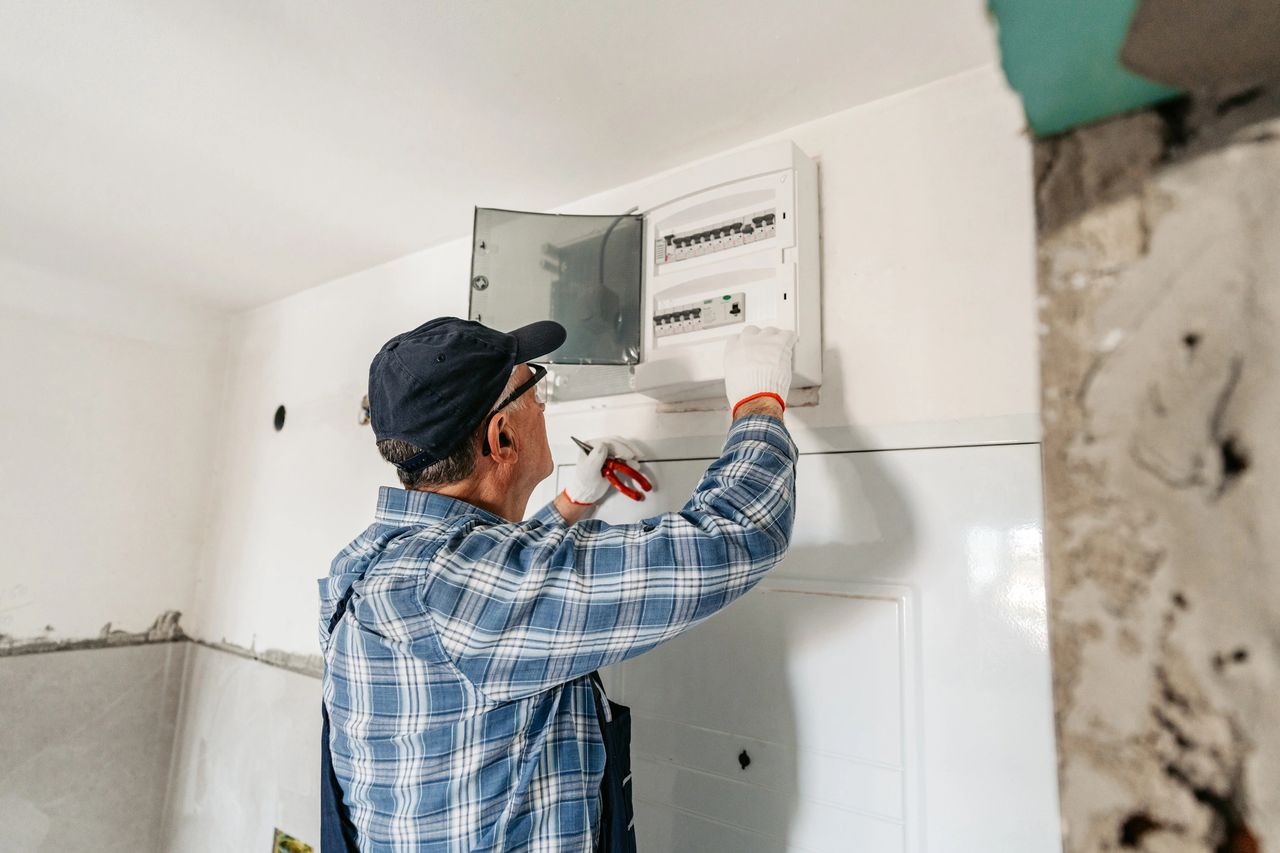
Elevate Your Electrical Safety Game
In today’s rapidly evolving industrial landscape, keeping your electrical system updated is more than a maintenance task—it’s a critical investment in safety and efficiency. Outdated systems not only risk operational disruptions but also pose severe hazards that can significantly impact productivity. This guide breaks down practical signs that indicate when it might be time for a system upgrade, helping you safeguard your facility while staying compliant with evolving safety standards.
You will learn how to spot warning signals such as:
- Unusual power fluctuations that could indicate deteriorating connections
- Frequent circuit interruptions or breaker trips suggesting overloaded or old wiring
- Signs of wear like exposed components or outdated installations
Understanding these indicators is vital, especially in regions like South Carolina, North Carolina, and Georgia, where industrial regulations demand stringent safety protocols. As you navigate the following sections, you’ll also discover actionable strategies on preventive maintenance and how to structure routine checks. Emphasizing a systematic approach to electrical upkeep can not only prevent costly repairs but also create a robust environment dedicated to operational excellence and employee safety.
7 Clear Signs Your Industrial Electrical System Needs an Upgrade
1. Frequent Power Outages: If you’re experiencing recurring outages, it’s a strong indicator that your current system struggles under load. Upgrading can enhance system reliability and reduce downtime.
2. Flickering Lights: Inconsistent lighting may signal unstable voltage or deteriorating wiring. Ensuring a modern circuit design can improve safety and maintain consistent power distribution in high-demand areas.
3. Outdated Circuit Breakers: Aging breakers may not handle current safety standards. Modern replacements can offer quicker response times, reducing the risk of electrical fires and system failures.
4. Overheating Components: Excessive heat around connections or panels highlights potential load issues. Upgrading these components mitigates fire risks and improves overall efficiency.
5. Signs of Wear and Tear: Corrosion or frayed wiring should prompt a review of your electrical system. Routine maintenance and targeted upgrades reduce future hazards.
6. Insufficient Capacity: Growing operational demands may outpace your existing infrastructure, particularly in high-activity regions like South Carolina, North Carolina, and Georgia.
7. Compliance Challenges: Outdated equipment may not meet current codes. Investing in newer technologies ensures safety, compliance, and long-term operational resilience.
Empower Your Operations with a Modern Electrical Upgrade
Upgrading your industrial electrical system can be a game-changer for ensuring workplace safety and boosting overall efficiency. Modern systems are engineered to mitigate risks associated with outdated components, providing enhanced protection against electrical faults and system overloads. This upgrade is not just about state-of-the-art equipment—it’s a forward-thinking investment in operational reliability that supports continuous productivity and minimizes unexpected downtime.
Key benefits include:
- Enhanced Safety: State-of-the-art circuit protection and efficient load management reduce the risk of hazards, ensuring a safer environment for your team.
- Increased Efficiency: Advanced monitoring systems help optimize energy consumption and streamline production processes, resulting in lower operational costs.
- Reliability and Compliance: Up-to-date electrical systems support adherence to regional safety standards in areas such as South Carolina, North Carolina, and Georgia.
By incorporating modern technologies and aligning with the latest industry standards, you can achieve a seamless integration of safety features and efficiency enhancements. This proactive approach not only safeguards personnel but also fortifies your facility against potential disruptions, making your industrial operations both robust and resilient.
Step-by-Step Evaluation: Is It Time for an Upgrade?
Begin your self-assessment with a systematic walk-through of your electrical system. This step-by-step guide will help you identify potential issues and plan for necessary improvements.
1. Start with a Safety-First Visual Inspection: Examine control panels, wiring, and outlet connections for visible wear, loose connectors, or signs of overheating. Use a flashlight to inspect dark corners and hard-to-reach components.
2. Measure System Performance: Utilize voltage and amperage testers to check whether your circuits are operating within safe parameters. Look for unexpected surges or drops that might indicate outdated components or overloaded circuits.
3. Review Compliance with Current Codes: Compare your system’s specifications with modern standards and local guidelines, particularly if operating in areas like South Carolina, North Carolina, or Georgia. Understanding these criteria is crucial for determining upgrade needs.
4. Note Any Irregularities: Keep a detailed log of any anomalies, including unusual noises, flickering lights, or hot outlets. Document your findings for future reference.
5. Plan Next Steps: Based on your evaluation, create a prioritized list of tasks for potential upgrades and consult a professional if needed.
This methodical approach provides clear, actionable steps to ensure your electrical system remains safe and reliable.
Frequently Asked Questions About Upgrading Industrial Electrical Systems
Q: How can I tell if my electrical system needs an upgrade?
Look for frequent breaker trips, flickering lights, outdated wiring, or increased energy costs. Signs like these can indicate that your system is under strain.
Q: What risks are associated with outdated electrical systems?
Old systems may not meet current safety standards, posing fire hazards and increasing the likelihood of equipment failure. Upgrading can reduce risks and improve overall reliability.
Q: How do local codes in regions like South Carolina, North Carolina, or Georgia affect upgrades?
Local regulations often require updated safety measures. Regular inspections and adherence to regional standards are crucial for ensuring compliance and protecting your facility.
Q: What should a thorough electrical system inspection include?
Inspections should cover wiring integrity, load capacity checks, and safety device functionality. Routine checks help pinpoint areas needing improvement before problems escalate.
Q: How can a phased upgrade benefit an industrial setup?
A step-by-step approach allows continuous operation while modernizing key components. Prioritizing areas with the highest risk or energy demand can optimize both safety and efficiency.
Wrapping Up and Taking Action
As you reflect on the critical signs that your electrical system may require an upgrade, remember that timely intervention is essential. Throughout this guide, we've covered how identifying worn-out components, overloading circuits, and outdated equipment can impact safety and efficiency. Addressing these issues not only enhances overall functionality but also reduces the risk of hazardous failures.
Here are your next actionable steps:
- Conduct a Comprehensive Inspection: Regularly review your electrical systems for any signs of deterioration or abnormal performance.
- Prioritize Preventive Maintenance: Keep up with scheduled servicing to minimize unexpected disruptions.
- Invest in Employee Training: Empower your team with hands-on training on safe practices and early detection of potential hazards.
For those managing facilities in regions like South Carolina, North Carolina, and Georgia, local regulatory standards should guide your maintenance protocols. Embrace a proactive safety culture by integrating these strategies into your daily operations. By staying ahead with upgrades and continuous improvement, you ensure a robust, secure electrical system that stands ready to support your operations now and into the future.
If you're ready to take the next step, consider partnering with HRE Construction for tailored solutions that prioritize safety and efficiency. Our expertise in industrial electrical upgrades make us a go-to resource in South Carolina, North Carolina, and Georgia.