Hurricane Season Isn't Over. Is Your Facility Ready?
September 10, 2026 | Samantha Mariano
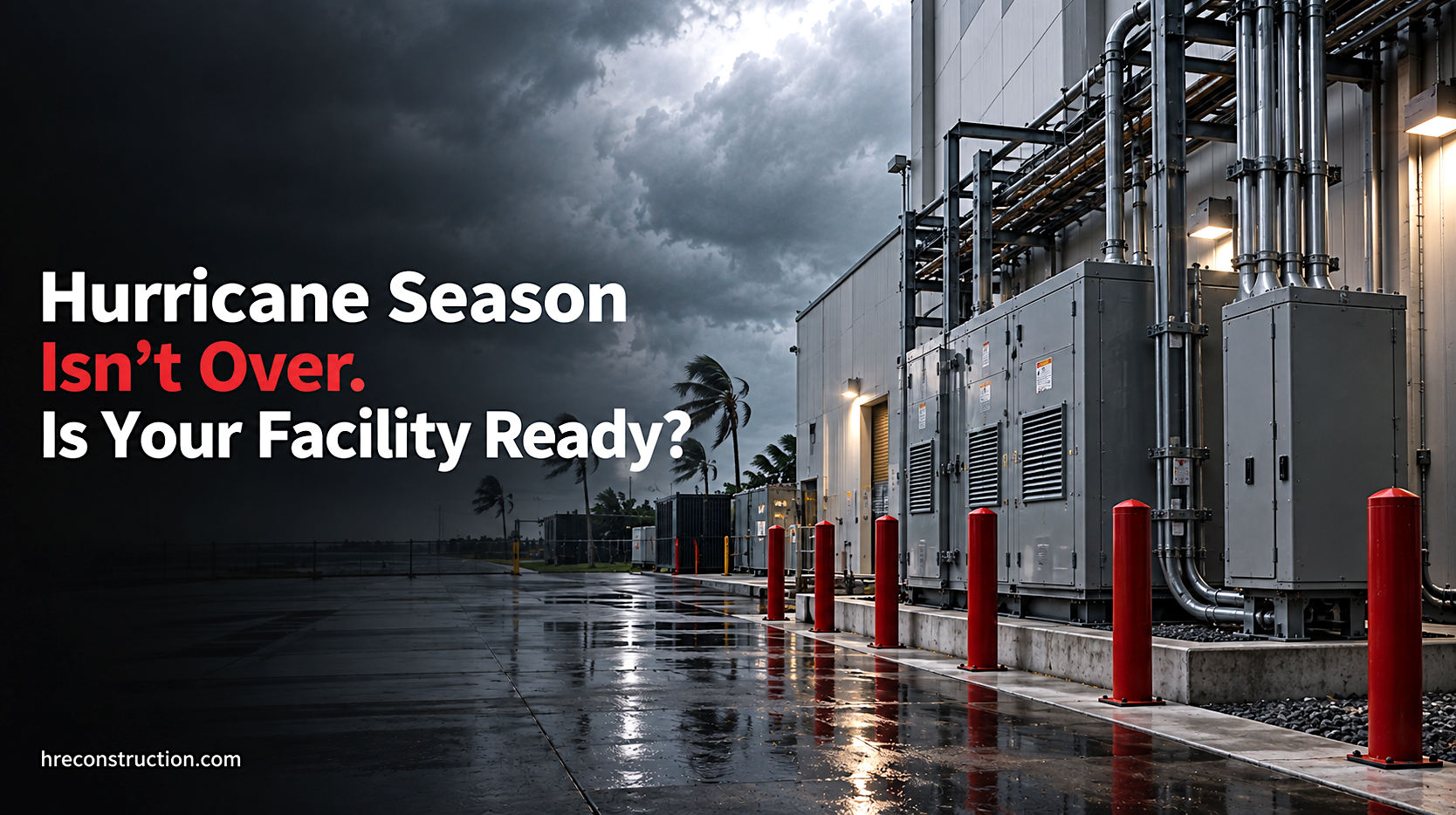
NOAA's August update still calls for a below-normal Atlantic season this year, seven to thirteen named storms, two to six hurricanes, and as few as zero to two reaching major hurricane strength. That sounds like good news, and in a lot of ways it is. But below-normal doesn't mean no risk, and it doesn't mean no landfall. The season runs through the end of November, and the historical peak sits right where we are now, mid-September through October. One storm hitting your region is all it takes, and it doesn't need to be a major hurricane to knock out the grid. Tropical storms and lower-category systems regularly bring the kind of sustained wind and inland flooding that topples lines and floods substations well before wind speed becomes the real story.
When the utility goes down, your facility is entirely dependent on whatever power infrastructure you already have in place. That's not something you want to find out is unreliable in the middle of an actual outage.
Start with the transfer switch, not the generator
A lot of facilities put their maintenance attention on the generator itself and treat the automatic transfer switch as an afterthought. That's backwards. The ATS is the component that actually detects the utility failure and switches your load over, and it sits exposed to the same dust, moisture, and vibration as everything else in your electrical room. If the ATS doesn't function correctly, a generator sized perfectly for your facility is still just sitting there doing nothing. Regular cycling and a mechanical inspection of the ATS should be a standard part of your pre-season checklist, not something you check only when the generator itself gets serviced.
Reassess your load, not just your equipment
If your facility has added equipment, expanded a line, or grown its footprint since your standby system was last sized, it's worth confirming that sizing still holds. A generator that was correctly matched to your facility two or three expansions ago can be quietly underpowered today, and that's not something that shows up until the moment you actually need it to carry the full load. For facilities running redundant systems, this is also a good time to confirm your redundancy is real redundancy, not two units that happen to share a single point of failure somewhere upstream.
A pre-storm checklist that actually holds up
- Cycle and inspect the ATS under load, not just a visual check
- Load bank test the generator if it hasn't been tested since your last NFPA 110 cycle
- Confirm current facility load against original generator sizing, especially after any expansion
- Check fuel reserves and confirm your refueling plan doesn't depend on stations that will be empty in the final 24 hours before landfall
- Walk the electrical room for water intrusion risk, not just the generator enclosure
- Confirm surge protective devices are in place and rated correctly, since transient damage from grid fluctuation during storm recovery is a real and often overlooked risk
- Document everything you test, so if something fails during an actual event you're not troubleshooting a system you have no baseline for
Why this can't wait until a storm is actually in the forecast
Once a hurricane watch is issued for your area, everything about this gets harder. Technicians get booked solid, parts get harder to source quickly, and fuel becomes unpredictable as demand spikes across the whole region at once. The facilities that come through a storm with the least disruption are almost always the ones that did this work in a calm week, not a panicked one.
How HRE Can Help
HRE can walk your facility's emergency power system end to end, ATS testing, generator load verification, surge protection review, and a real assessment of whether your standby capacity still matches your actual current load. If it's been a while since anyone gave your standby system a hard look, or if your facility has grown since it was last sized, now is the window to get that done before the next system develops in the Gulf or off the coast.
Ready to get your facility's storm readiness checked before the next watch is issued? Contact HRE Construction today to schedule an assessment.
FAQ
NOAA is predicting a below-normal season this year. Do we still need to worry about this?
Yes. Below-normal refers to the total number of storms across the whole Atlantic basin, not whether one hits your specific facility. It only takes one storm making landfall near you to cause an extended outage, and even tropical storms below hurricane strength regularly knock out utility power through flooding and downed lines.
How often should our ATS actually be tested, not just visually inspected?
It should be cycled under load on a regular schedule, not just looked at. A transfer switch can appear fine sitting idle and still fail to function correctly when it's actually called on to switch your load during a real outage.
Our generator was properly sized when it was installed. Why would that change?
If your facility has added equipment or expanded operations since then, your actual load may have grown past what the generator was originally sized to carry. A generator running at or near its limit during normal load can shut down or suffer damage when a storm-driven surge pushes it past that limit.
Is it too late to get ready if a storm is already being tracked toward our region?
It's better than doing nothing, but options narrow fast once a watch is issued. Technicians and fuel both get harder to secure as demand spikes across the region simultaneously. The readiness work that actually holds up is the kind done in a calm week ahead of the season, not the week a storm shows up on the forec