Copper Prices in 2026 and Your Next Electrical Project
September 23, 2026 | Samantha Mariano
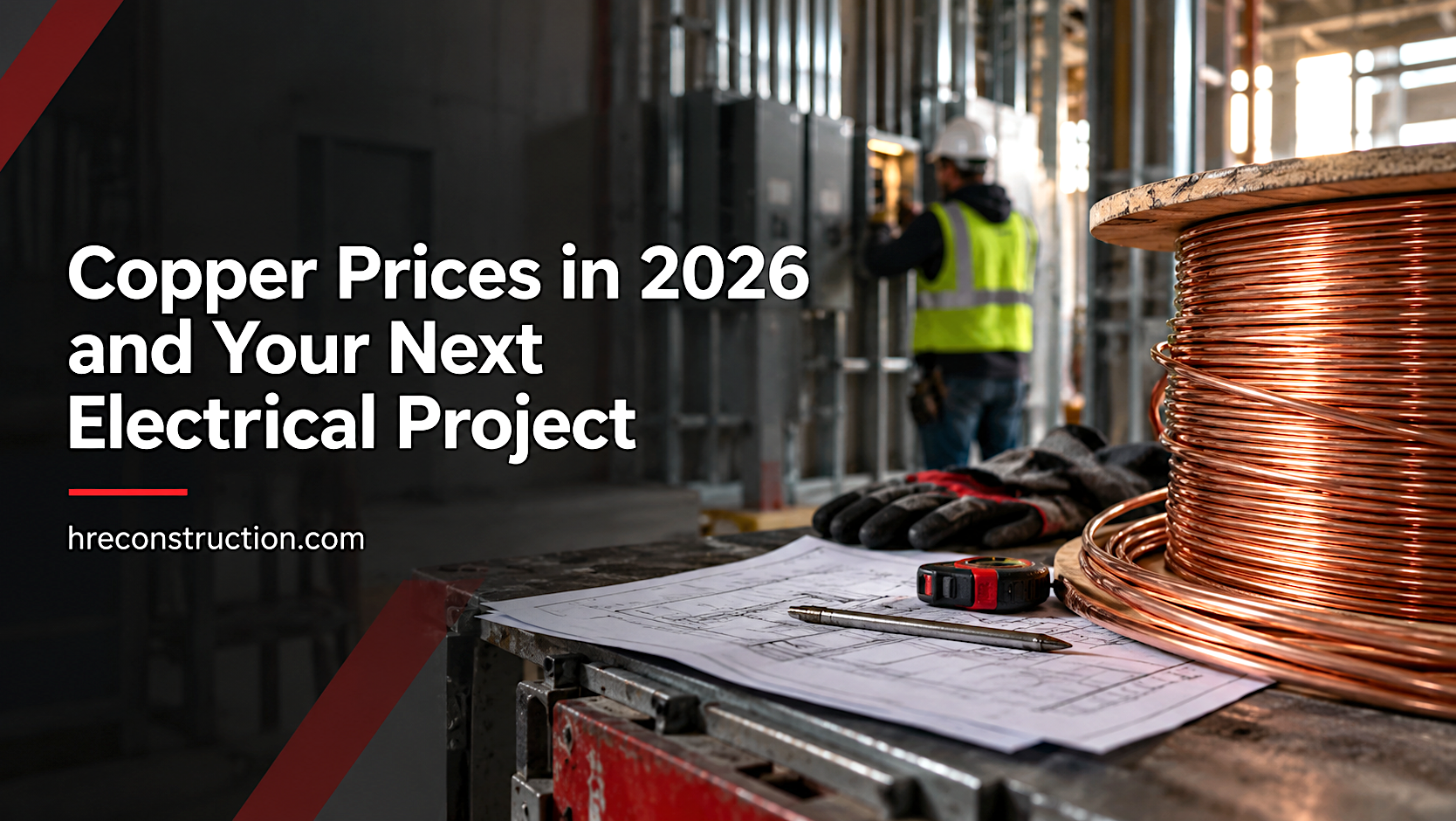
If you have priced out an electrical project this year, you already know the number came back higher than you expected. Wire, cable, busway, transformers, and switchgear all cost more than they did a year ago, and copper is a big reason why.
Copper prices hit record highs this summer, then dropped sharply in mid-September when Reuters reported the White House still had not decided whether to put tariffs on refined copper. That drop made headlines. It did not make wire cheaper overnight.
For industrial facilities planning an expansion, a service upgrade, or a long-delayed equipment replacement, here is what is actually going on with copper in 2026 and how to plan around it without stalling your project or blowing your budget.
Why Copper Prices Climbed So Fast
A few things are pushing at the same time.
Tariffs already in place. Since August 1, 2025, a 50% Section 232 tariff has applied to imported semi-finished copper products like wire, rod, pipe, and sheet, along with copper-intensive derivative products. Refined copper (the cathode that domestic mills turn into wire) was left out of that first round.
A tariff that may or may not be coming. The same proclamation asked the Commerce Department to report back by June 30, 2026 on whether to phase in a tariff on refined copper, starting at 15% in 2027 and rising to 30% in 2028. Commerce delivered its update. As of mid-September, the administration still had not made a final call. Traders and manufacturers spent months pulling copper into the U.S. ahead of a possible duty, which helped push prices to records.
Supply that cannot catch up quickly. The U.S. imports roughly half the copper it uses and has only two operating copper smelters. New mines take well over a decade to go from discovery to production, so no tariff decision adds meaningful supply in the near term.
Demand that keeps growing. Data centers, grid upgrades, and new manufacturing plants are all competing for the same copper. That same demand is a big part of why transformer and switchgear lead times are stretching into years.
What This Means for Your Project Budget
The exchange price of copper and the price on your electrical quote are not the same thing. Wire and equipment pricing also reflects fabrication, freight, distributor inventory, and what suppliers paid for metal months ago. So when copper futures drop on a news headline, quotes do not follow right away.
Federal producer price data reported this September shows copper wire and cable costing roughly double what it did in 2020, with double-digit increases over the past year alone. Distributor analysis of the same data puts year-over-year increases for transformers and switchgear in the high single digits.
Contractors are feeling it across the board. In a recent Associated General Contractors of America survey, 55% of firms said they had a project canceled, postponed, or scaled back in the previous six months, and about a third of those blamed rising costs.
In practical terms, that usually shows up in three places:
- Shorter quote validity. Suppliers that used to hold pricing for 30 to 60 days may now hold it for a week or two, or price on the day of shipment.
- Material escalation clauses. More contracts include language that adjusts the price if copper moves past a set threshold before materials are purchased.
- Budget gaps on long-lead jobs. A project priced in spring and bought in fall can land well above the original number.
We saw a similar pattern when rising oil prices started affecting electrical projects in manufacturing. Commodity swings hit project costs fastest when planning and purchasing are far apart.
Six Ways to Plan Around High Copper Prices
You cannot control the copper market. You can control how exposed your project is to it.
1. Right-size the design before you buy anything
Oversized conductors and equipment cost more when copper is expensive. A current, accurate load calculation makes sure you are sizing for real demand plus sensible growth, not guesswork. If you are planning to scale up, pair it with proper electrical capacity planning so you only buy what the facility actually needs.
That does not mean cutting corners. Conductor sizing still has to account for ambient temperature, bundling, terminal ratings, and voltage drop. Our guide to cable sizing and wire management walks through the factors that stack up in industrial settings.
2. Look at aluminum where it makes sense
Aluminum conductors are common for larger feeders and services, and modern AA-8000 series aluminum building wire performs well when it is installed correctly. It typically needs a larger conductor size to carry the same current, the terminations have to be listed for aluminum, and torque and installation practices matter more.
It is not a fit everywhere. Control wiring, instrumentation, many small branch circuits, and some equipment terminals stay copper. And aluminum prices have climbed too, so the savings need to be run job by job rather than assumed.
3. Lock in pricing and long-lead items early
Once the design is solid, buying key materials earlier can take some of the price risk off the table. For large projects, that might mean releasing wire, cable, and gear orders ahead of the rest of the job, or having the owner purchase major equipment directly. The tradeoff is storage, handling, and paying sooner, so it works best on projects with a firm scope and schedule.
4. Get more life out of the equipment you already have
When replacement costs climb, extending the life of existing switchgear, transformers, and motors becomes a lot more valuable. NFPA 70B is now a mandatory standard, and a solid maintenance program built around it helps you catch problems while they are still repairs, not replacements.
Useful places to start:
- Switchgear maintenance and testing
- Transformer sizing and maintenance
- Insulation resistance testing to track motor and cable health over time
- Predictive maintenance to spot trends before failure
5. Phase the work
If budget is tight, splitting a project into phases can let you handle the most urgent items now and time the rest around pricing and lead times. A failing or overloaded panel should not wait. A planned panel upgrade for a future line might be able to.
6. Protect the copper you already have
High copper prices tend to bring more theft from job sites, laydown yards, and idle facilities. Stolen grounding conductors are especially dangerous because the system can look normal while fault protection is compromised. If you suspect tampering, have your grounding and bonding checked before anyone assumes the system is safe. Secure storage for materials and regular walkdowns of remote equipment go a long way.
Should You Wait for Copper Prices to Drop?
It is tempting to hold off and hope. For most industrial projects, that is a risky bet.
Nobody knows yet whether a refined copper tariff is coming, and some market analysts see this fall's pause as a delay rather than a cancellation. Even if prices ease, lead times on transformers and switchgear have not. Waiting six months on pricing can easily turn into waiting a year or more on equipment.
Here in South Carolina, growth like Scout Motors' supplier network in the Midlands is adding even more demand for electrical contractors and materials. Facilities that plan early tend to get better pricing, better scheduling, and fewer surprises.
The better move is usually to keep planning. Finalize the design, get pricing, understand your options, and then decide what to buy now and what can wait.
How HRE Can Help
HRE Construction is an industrial electrical and instrumentation contractor serving facilities across 11 states. We work with plant managers and facility engineers to plan electrical projects that hold up both technically and financially.
When material costs are volatile, we can help you:
- Review load and capacity needs so the design fits real demand
- Evaluate where aluminum conductors are a sound option and where copper should stay
- Identify long-lead equipment early so it gets ordered on time
- Phase projects around budget and production schedules
- Build a maintenance and testing plan that extends the life of existing equipment
Learn more about our industrial electrical services and testing and startup services.
Plan Your Next Project With Confidence
Copper prices may keep moving, but your project does not have to move with them. The sooner you have a clear scope and real pricing in hand, the more options you have.
Contact HRE Construction to talk through your next electrical project, from early planning through installation and startup.
Frequently Asked Questions
Why are copper prices so high in 2026?
A mix of existing tariffs on semi-finished copper products, uncertainty about a possible tariff on refined copper, limited U.S. smelting capacity, and strong demand from data centers, grid work, and new manufacturing. Traders also stockpiled copper in the U.S. ahead of possible duties, which pushed prices higher.
Is there a tariff on refined copper now?
As of mid-September 2026, no final decision had been made. A 50% tariff on semi-finished copper products has been in place since August 2025. A phased tariff on refined copper, starting at 15% in 2027, has been under consideration but not confirmed.
Can aluminum wire replace copper in an industrial facility?
In many feeder and service applications, yes, when it is sized correctly and installed with terminations listed for aluminum. Control wiring, instrumentation, and some equipment connections generally stay copper. Aluminum prices have also risen, so it is worth comparing both options for each project.
Should I delay my electrical project until copper prices come down?
Usually not. Prices could rise again depending on tariff decisions, and long lead times on transformers and switchgear have not improved. Finalizing your design and pricing now gives you more control over what to buy and when.